THE PRACTICAL WALLET GUIDE 6 MIN READ

Trezor login:
start with your device.

A clear, security-first guide to opening Trezor Suite, connecting your hardware wallet, and keeping your recovery phrase where it belongs: offline.

Independent guide · No sign-in form · Never asks for your seed
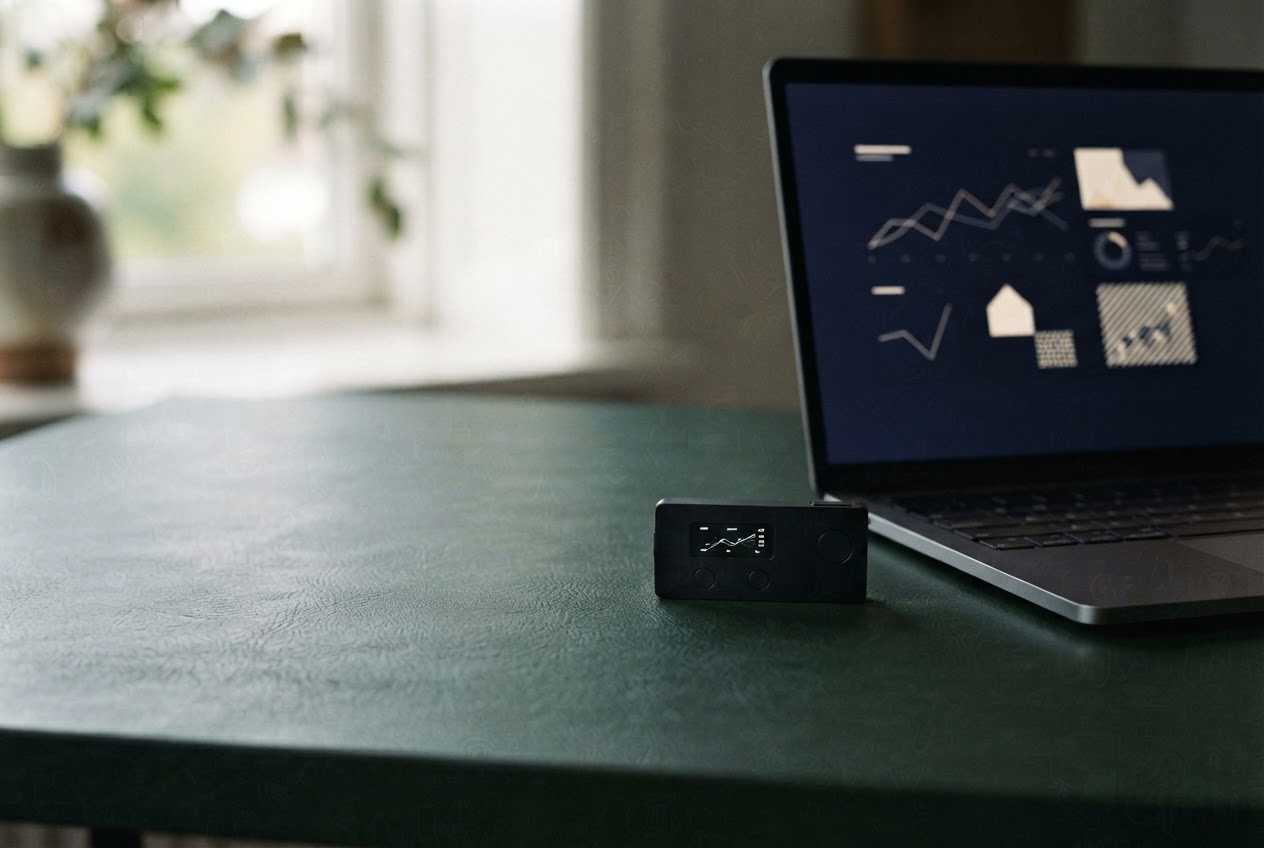
Hardware wallet beside a laptop in a calm, softly lit workspace
YOUR KEYS STAY WITH YOUAccess is confirmed on your device.
FIELD NOTE 01 / 04

First, a crucial distinction. There is no legitimate “Trezor login” webpage that needs your recovery words. Connect your hardware wallet through the official Trezor Suite app or site—never type your seed into a browser.

See safety checklist

A safer way to think about “logging in”

With a Trezor hardware wallet, you are not signing in to a traditional account with a username and password. Your wallet keys are protected by the physical device. Trezor Suite is the companion app you use to view balances and manage supported crypto assets; the hardware wallet confirms sensitive actions.

That difference matters. A convincing fake login page can imitate a wallet brand, but it cannot safely replace the physical confirmation on your device. Treat any page requesting your recovery phrase as a serious warning sign.

Your recovery seed restores a wallet. It is never a password to enter on a website.

THE MOST IMPORTANT RULE

The safe route is straightforward: get Trezor Suite from the official source, connect your device, unlock it using its on-device prompts, and verify important actions on the device screen.

A SIMPLE, SECURE START

Open Trezor Suite
in four careful steps.

Use the official software and let your hardware wallet handle the sensitive parts. The exact prompts may vary slightly by device model and software version.

01

Go to the official source

Type trezor.io into your browser and navigate to Trezor Suite. Check the domain spelling before you continue.

Visit Trezor Suite ↗
02

Connect your device

Open the Suite app or official web app, then connect your Trezor with a data-capable USB cable. Follow the device prompts.

USE A TRUSTED CABLE
03

Unlock on the device

If prompted for a PIN, enter it using the process shown by your device. Keep your PIN private and do not share it with support.

CHECK YOUR DEVICE SCREEN
04

Verify every action

Review addresses and transaction details on the Trezor screen itself. Approve only what you recognize and intend to do.

CONFIRM PHYSICALLY
YOUR PERSONAL SECURITY CHECK

Before you connect,
check these basics.

A few careful habits help you spot common wallet scams before they become a problem.

01

Verify the address

Navigate to trezor.io yourself. Be cautious with ads, unsolicited links, lookalike domains, and QR codes from unknown sources.

02

Never type your recovery seed online

No login, sync, verification, or support flow needs your words in a website, email, chat, or computer keyboard.

03

Trust the hardware display

Before you approve a transaction, compare the destination and amount shown on the device with what you intended.

04

Keep your backup offline

Store recovery words privately in a secure physical location. A photo, cloud note, or password manager can expose them online.

Red flag: anyone asking you to “validate,” “synchronize,” or “unlock” your wallet by entering recovery words is trying to take control of it.

WHEN SOMETHING DOESN'T LOOK RIGHT

A few safe things
to try.

Connection trouble does not mean you should share your seed or use a recovery link from a stranger.

Device not detected?

Try another data-capable USB cable or port, reconnect the device, and restart Suite. Close other wallet apps that may be using the connection.

Suite needs an update?

Update only from the official Trezor website or a trusted app source. Avoid download links sent through social media or direct messages.

Still need help?

Start from the official support section at trezor.io. Never let a stranger remotely control your computer or see your recovery backup.

Go to official support ↗
QUICK ANSWERS

Frequently asked
questions.

Wallet access should feel clear, not confusing. Here are the essentials.

Need device-specific instructions? Start with the official Trezor support site ↗.

How do I log in to my Trezor wallet?

There is no separate online Trezor wallet login. Open the official Trezor Suite app or visit the official web app at trezor.io/trezor-suite, connect your hardware wallet, and follow the prompts. Your device and PIN authorize access; never enter your recovery seed into a website.

Do I need a password to access Trezor Suite?

A Trezor hardware wallet does not use a conventional website password for device authorization. Depending on your setup, Suite may offer an app passphrase lock, while the device PIN is confirmed on the hardware wallet. Keep those distinct from your recovery seed.

Where should I download Trezor Suite?

Use the download link reached directly from trezor.io. Check the address carefully before downloading, avoid sponsored search results and unsolicited links, and follow the official release and verification guidance for your operating system.

Can Trezor Support ask me for my recovery seed?

No legitimate support agent or website should ask you to type or share your recovery seed. It is the master backup to your wallet. Anyone who obtains it may be able to access your funds. Keep it offline and enter it only on your Trezor device when the device itself requires it for a recovery.

What if my Trezor is not detected?

Try a known data-capable USB cable and another port, then restart Trezor Suite and your browser or computer. Close other wallet applications, check that the device is unlocked, and consult the official Trezor support resources. Never respond to unsolicited messages offering recovery help.

Is this an official Trezor login page?

No. Devicewise is an independent educational guide, not affiliated with Trezor. We do not provide wallet access, collect credentials, or ask for recovery words. Use only the official trezor.io domain for the wallet software.

YOU'RE READY TO BEGIN

Take the secure
route from here.

Go directly to Trezor’s official Suite page. Keep your recovery backup offline, and let your hardware device verify the important steps.

Go to official Trezor Suite Devicewise is an independent guide, not an official Trezor service.